

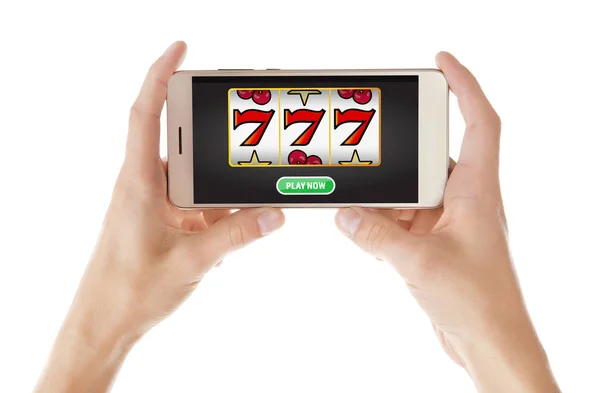
You unlock your phone during a slow bus ride, check a score, open a betting app, maybe tap through a few casino-style games, then realise your stop is already close. That tiny moment says a lot about where casino and sports betting platforms have gone. They are no longer built around a desk, a laptop, or even a long session. They are built around spare minutes, thumbs, notifications, and quick decisions.
Your Phone Became the Main Door
The shift did not happen overnight, but by around the late 2010s, you could feel it. More platforms started treating mobile as the default place where people would arrive, browse, register, deposit, check odds, and leave.
Honestly, most people do not realise how much this changed the whole feel of the experience.
Smaller screens forced cleaner choices
A desktop site can get away with clutter. A mobile screen cannot.
That forced casino and betting platforms to make tougher design choices. Menus got shorter. Buttons got bigger. Pages had to load without making you stare at a spinning icon forever. If a platform buried the bet slip behind three taps, users noticed. If a casino lobby felt like a maze, people backed out.
Mobile-first design made everything more direct, sometimes in a good way and sometimes a bit too direct. You can find what you want faster, but you also get fewer natural pauses.
Quick sessions became normal
Someone checking match odds during a lunch break is not behaving like someone sitting at a computer for an hour. Mobile use is choppy. You open, tap, leave, return, refresh, maybe leave again.
Platforms adapted to that rhythm. They started saving your place, remembering your preferences, and showing the most-used actions upfront. A person might only have four minutes before a train arrives. That is enough time to check a market, read a score, or spin a game once.
Tiny sessions became the point.
The login page mattered more than people expected
A clunky login used to be annoying. On mobile, it can kill the whole mood.
Typing passwords on a phone is still weirdly irritating, especially when you are outside, distracted, or dealing with a weak signal. So mobile-first platforms began leaning harder into smoother sign-ins, saved details, simpler verification flows, and layouts that do not punish fat thumbs.
That sounds small. But small things decide whether someone stays.
Sports Betting Started Feeling More Live
Sports betting on mobile changed the tempo. You were no longer just placing something before a match and checking later. You could follow along while the game moved.
And that made the whole thing feel more immediate.
Live odds fit the phone perfectly
A football match on TV, a phone in your hand, a market updating while the game is still going — that became a very familiar setup. You do not need a huge screen for that. You need quick access and clear numbers.
To be fair, live betting is not exactly relaxing. The pace can feel jumpy, and you can tell some platforms are trying very hard to keep you looking. Still, the format suits mobile because sports already create natural bursts of attention.
A corner. A timeout. A goal check. A break in play.
Those little gaps became moments where mobile platforms had your attention.
Scoreboards became part of the experience
At some point, betting apps stopped feeling separate from sports apps. You could open one screen and see scores, upcoming fixtures, odds, bet history, and sometimes basic match details together.
That matters because users do not always want to jump between apps. If you are following a weekend match while sitting at a family dinner — not ideal, but people do it — you want the basics in one place.
The phone became both the scoreboard and the counter.
Notifications changed the relationship
Push alerts are powerful. Maybe too powerful.
A reminder about a match starting soon can be useful. A result update can be handy. A notification about a saved market might help someone who asked for it. But when every app wants attention, the whole thing can feel noisy.
My pet peeve is when platforms act like every tiny update deserves a buzz. No, it does not. Some alerts are useful. Some feel like someone tapping your shoulder every two minutes.
Casino Games Had to Shrink Without Feeling Smaller
Casino-style platforms had a different problem. A sports market can be shown as rows and numbers. Casino games need visuals, pacing, and a sense of flow.
On a phone, that is harder than it looks.
Game lobbies became more visual
Older casino websites often looked like long catalogues. Mobile pushed them toward bigger tiles, clearer categories, and faster filters. You could scroll through games the way you scroll through photos or short videos.
That changed expectations. Users began judging platforms almost instantly. If the lobby looked messy, old, or slow, it gave a bad first impression.
For whatever reason, people are more patient with a messy desktop page than a messy mobile one.
Portrait mode became its own design challenge
You can learn a lot by watching how games handle portrait mode. Some feel natural. Others still feel like they were squeezed into a phone after being made for a bigger screen.
Buttons need space. Text needs to be readable. Animations cannot cover the controls. Sounds simple, but anyone who has accidentally tapped the wrong thing on a tiny screen knows the problem.
A good mobile casino game should not make you pinch, squint, or rotate the phone every few seconds.
Payments became part of the design
The deposit and withdrawal flow used to feel like a separate utility page. On mobile-first platforms, it became part of the main experience.
People expect the payment area to be clear, calm, and easy to understand. They also expect limits, confirmations, and account tools to be easy to find. Nobody wants to hunt through a hidden settings menu when money is involved.
Some users compare platforms casually, the same way they might compare any online service, and a reference like https://gaza-88.com may come up while they are looking around at different mobile-first examples.
Trust Became a Mobile Design Issue
Trust is not only about licenses, terms, or account safety pages. On mobile, trust also comes from how a platform behaves in the hand.
A confusing screen can make you uneasy faster than a long policy page ever could.
Clear limits matter more on a small screen
On desktop, you can scan more information at once. On mobile, details can disappear behind tabs, dropdowns, or tiny icons. That makes clear limits, visible balances, and plain account controls more important.
You should not need detective skills to see what you are doing.
A responsible mobile-first platform puts key information where people can actually see it. Not buried. Not softened into vague wording. Just visible.
Speed should not replace thinking
Fast apps feel good. Nobody misses slow pages.
But betting and casino platforms deal with choices that involve money, so speed has a strange downside. The easier a tap becomes, the more important it is to have sensible pauses in the right places.
Confirmation screens, clear bet slips, session reminders, and account tools might feel boring, but they add friction where friction belongs.
That is not a bad thing.
The best apps do not shout
Some platforms confuse energy with noise. Flashing banners, pop-ups, constant prompts, crowded lobbies — it can get tiring.
Mobile screens are already personal. They sit in your pocket, next to your messages, photos, maps, and banking apps. A platform that feels pushy on a phone feels pushier than it would on a desktop.
A calmer design usually ages better.
Where This Probably Goes Next
Mobile-first casino and sports betting platforms will keep getting cleaner, faster, and more personal, but the better ones will not just chase speed. They will give people control without making the experience feel heavy. That balance matters. Phones are intimate devices, and platforms that respect that will likely feel better to use over time. The rest may look modern for a while, but people can tell when an app is trying too hard.
Leave a Reply